Reliable Heating & Air Conditioning Expert in Cary, Chapel Hill & Morrisville with 25 years of experience

10 Signs Your AC Needs Repair Before It Breaks Down

There’s never a convenient time for your air conditioner to stop working. Unfortunately, many breakdowns happen on the hottest days of summer when your system is already under the most stress.

Your air conditioner often gives warning signs before it fails. Weak airflow, warm air, strange noises, unpleasant odors, frequent cycling, higher energy bills, water leaks, uneven cooling, excess indoor humidity, and an unresponsive thermostat are all signs that your AC may need professional attention. Catching these problems early can help you avoid costly repairs and unexpected breakdowns.

While some AC problems can be fixed with a simple repair, others may require routine maintenance or even a system replacement. Understanding the difference can help you make smarter decisions and avoid unnecessary expenses. Our guide to AC Services in NC explains how repairs, maintenance, and installations work, so you’ll know what to expect before scheduling service. 

Don’t Ignore the Little Changes

Most homeowners expect their air conditioner to either work or stop working. In reality, AC systems usually fail gradually.

Maybe your home takes longer to cool than it did last summer. Perhaps one bedroom always feels warmer than the rest of the house, or you’ve started hearing a noise that wasn’t there before. These changes might seem minor at first, but they’re often your system’s way of telling you that something needs attention.

North Carolina summers can be especially demanding on cooling systems. Long periods of heat and humidity force your AC to run for hours every day, so even a small issue can quickly become a bigger problem if ignored.

Knowing what to look for can save you money, improve your home’s comfort, and help your system last longer.

1. Your Home Takes Longer to Cool

One of the first things homeowners notice is that the house just doesn’t cool as well as it used to.

You set the thermostat to the same temperature as always, but it seems to take much longer to reach it. In some cases, the AC never quite gets there.

Several issues can cause this, including:

  • A dirty air filter
  • Restricted airflow
  • Low refrigerant
  • Dirty outdoor condenser coils
  • An aging compressor

Before assuming the worst, replace the air filter if it’s overdue. If cooling performance doesn’t improve after a day or two, it’s worth having the system inspected.

Waiting too long can force your AC to work much harder than necessary, increasing wear on expensive components.

2. Some Rooms Are Cool While Others Stay Warm

Does your living room feel comfortable while the upstairs bedroom feels like a completely different season?

Uneven temperatures are a common sign that your cooling system isn’t distributing air properly.

The problem could be caused by:

  • Leaky ductwork
  • Blocked vents
  • An undersized system
  • Airflow restrictions
  • Blower motor issues

While closing vents in unused rooms might seem like a good idea, it can actually create pressure problems that make cooling less effective.

If certain rooms have always been difficult to cool, mention that during your service appointment. It helps the technician narrow down the possible causes more quickly.

3. Strange Noises That Weren’t There Before

Every air conditioner makes some noise while running. What you shouldn’t hear are new or unusually loud sounds.

Here’s what different noises may indicate:

SoundWhat It Could Mean
BangingLoose or damaged internal parts
GrindingMotor bearings are wearing out
BuzzingElectrical issue or loose component
HissingPossible refrigerant leak
ClickingElectrical control problem

A strange sound doesn’t always mean a major repair is coming, but it’s rarely something that fixes itself.

Turning up the TV to ignore it usually isn’t the best long-term solution.

4. Your Energy Bill Suddenly Increases

If your electricity usage hasn’t changed but your utility bill has, your air conditioner could be using more energy than it should.

As parts wear down, the system has to run longer to produce the same level of cooling.

Common reasons include:

  • Dirty coils
  • Low refrigerant
  • Poor airflow
  • Failing electrical components
  • Lack of regular maintenance

A gradual increase over several years is normal as equipment ages. A sudden spike, however, is often worth investigating.

5. Your AC Keeps Turning On and Off

On a hot North Carolina afternoon, it’s normal for your air conditioner to cycle on and off as it maintains the temperature you’ve set. But if it starts running for only a few minutes before shutting off, then starts again shortly after, something isn’t right.

This is known as short cycling, and it’s one of the more common issues HVAC technicians see during the cooling season.

Several things can cause it, including:

  • A thermostat that’s not reading the room temperature correctly
  • A clogged air filter restricts airflow
  • Low refrigerant levels
  • An oversized AC system
  • Electrical or compressor problems

Short cycling doesn’t just affect comfort. Every time your system starts, it uses a surge of electricity. When that happens repeatedly throughout the day, it puts extra strain on components that are designed for longer, steady cooling cycles.

If your AC has been cycling like this for more than a day or two, it’s worth having it checked before the problem gets worse. Before the hottest months arrive, it’s also a good idea to complete a few basic maintenance tasks. Our guide to preparing your AC for a North Carolina summer covers simple steps to improve your system’s performance. 

6. You Notice Water Around the Indoor Unit

Finding a small puddle near your indoor AC unit can be surprising, but it’s not something to ignore.

As your air conditioner cools your home, it also removes moisture from the air. That water normally drains away through a condensate line. If the drain becomes clogged or another component fails, water can back up and leak into your home.

Possible causes include:

  • A clogged condensate drain line
  • A cracked drain pan
  • A frozen evaporator coil
  • A blocked condensate pump

Besides damaging your AC, water leaks can also affect flooring, drywall, and nearby furniture. If moisture sits for too long, it can create conditions that make mold more likely to develop.

If you notice standing water around your system, turn it off and schedule service rather than letting it continue to run.

7. Your Home Feels More Humid Than Usual

One of your air conditioner’s jobs is to control indoor humidity.

If your home suddenly feels sticky even though the AC is running, the system may no longer be removing moisture effectively.

You might notice:

  • The air feels damp indoors.
  • Windows develop condensation.
  • Bedding or furniture feels slightly clammy.
  • The thermostat says the temperature is comfortable, but the house doesn’t feel comfortable.

High humidity often points to airflow issues, refrigerant problems, or an air conditioner that’s no longer operating efficiently.

Since North Carolina summers are naturally humid, even a small drop in your AC’s performance can make your home feel much warmer than the thermostat reading suggests.

8. Unpleasant Smells Every Time the AC Runs

Your air conditioner shouldn’t make your home smell worse.

If you notice an unusual odor each time it starts, it’s usually a sign that something inside the system needs attention.

Here are a few common examples:

If it smells like…It could mean…
Musty or dampMoisture buildup or mold inside the system
BurningAn overheating electrical component
Chemical-likeA possible refrigerant leak
Rotten or staleDebris, pests, or bacteria inside the unit or ductwork

9. Your Thermostat Doesn’t Seem to Match the Room Temperature

Your thermostat is the brain of the entire cooling system. If it isn’t working properly, your AC can’t respond as it should.

You may notice situations like these:

  • The thermostat says 72°F, but the house feels much warmer.
  • The AC doesn’t turn on when you lower the temperature.
  • The system keeps running long after the room feels cool.
  • Temperatures fluctuate throughout the day.

Sometimes the issue is as simple as weak batteries or incorrect settings. Other times, the thermostat may need recalibration or replacement.

A technician can usually determine whether the problem is the thermostat itself or another part of the HVAC system that’s causing inaccurate readings.

10. You’ve Been Putting Off the Same Small Problem

This last sign is easy to overlook because it often becomes part of your routine.

Maybe your AC makes a strange noise every evening.

Maybe one room has never cooled properly.

Maybe you’ve been resetting the thermostat every few days.

Or perhaps you’ve simply gotten used to the system taking longer to cool the house.

Small issues rarely stay small forever.

Many major repairs start with symptoms that homeowners ignore because the system is still “working.” By the time it stops completely, the repair is often more complicated and more expensive than it would have been weeks earlier.

If you’ve noticed the same problem all summer, consider scheduling an inspection before peak demand or another heat wave puts even more stress on the system.

Repair It EarlyWait Until It Breaks
Smaller repairs are often less expensive.Minor problems can turn into major component failures.
Your AC runs more efficiently.Higher energy bills as the system struggles to cool your home.
Better indoor comfort during hot weather.Greater chance of losing cooling during extreme heat.
Helps extend the life of your equipment.More wear on the compressor, blower motor, and other critical parts.
Gives you time to schedule service at your convenience.Emergency repairs may take longer during the busiest part of summer.

When Should You Call an HVAC Professional?

Not every issue means your air conditioner is about to fail, but it’s not always easy to tell which problems are minor and which need immediate attention.

You should schedule an inspection if you notice:

  • Weak or uneven cooling that doesn’t improve after changing the air filter
  • Warm air coming from the vents
  • Loud or unusual noises during operation
  • Water is leaking around the indoor unit
  • Short cycling or frequent starts and stops
  • A sudden increase in your energy bill without a clear reason
  • Persistent humidity or musty odors indoors

A trained technician can identify the underlying cause before it leads to a more expensive repair. In many cases, fixing a small issue early helps prevent unnecessary wear on the rest of the system. If you’re experiencing any of these warning signs, our AC repair services can help diagnose the issue and restore your system before it causes a major breakdown.

If you’re unsure what a professional AC inspection includes, our guide, AC Services in NC: Repair, Maintenance & Installation Explained, explains the repair, maintenance, and installation process in more detail. 

Beat the Summer Rush — Book Your Tune-Up Now

We serve Cary, Chapel Hill, Morrisville, Raleigh, and Apex.

Final Thoughts

Your air conditioner rarely stops working without warning. More often, it gives small clues that something isn’t right. Paying attention to those changes can help you avoid unexpected breakdowns, reduce repair costs, and keep your home comfortable throughout North Carolina’s hottest months.

If you’ve noticed one or more of these warning signs, don’t assume they’ll go away on their own. A timely inspection can often resolve the issue before it becomes a much larger problem.

Don’t Wait for a Complete Breakdown

Many costly AC repairs begin as small problems that are easy to overlook. Taking action when you first notice changes in your system’s performance can save you money, reduce energy costs, and help your air conditioner last longer. If your AC isn’t cooling properly, schedule an AC repair with Greenergy Air. We’ll identify the problem, explain your options, and help restore comfort to your home as quickly as possible.

AC Services in NC: Repair, Maintenance & Installation Explained

When summer temperatures climb across North Carolina, a reliable air conditioning system quickly becomes one of the most important parts of your home. Whether your AC is blowing warm air, making unusual noises, or simply isn’t cooling efficiently, knowing when to schedule professional AC services can save you from costly repairs and uncomfortable days indoors.

Many homeowners wait until their system completely stops working before calling an HVAC professional. Unfortunately, that approach often leads to higher repair costs, emergency service calls, and unnecessary stress during the hottest months of the year.

This guide explains everything homeowners should know about professional AC services, including repairs, maintenance, installation, common warning signs, expected costs, and tips for extending the life of your cooling system. Whether you need routine maintenance or emergency AC repair service, understanding your options helps you make informed decisions that protect both your comfort and your investment.

What Are AC Services?

AC services include professional inspection, maintenance, repair, installation, replacement, and performance optimization of residential air conditioning systems. These services help improve cooling efficiency, lower energy bills, extend equipment lifespan, and prevent unexpected breakdowns.

Professional air conditioning services typically include:

  • AC repair
  • Preventive maintenance
  • Seasonal tune-ups
  • Refrigerant checks
  • Thermostat testing
  • Air filter replacement
  • Electrical inspections
  • Condenser cleaning
  • Evaporator coil cleaning
  • Complete AC installation and replacement

Why Professional AC Services Matter

Your air conditioner works harder than many other appliances in your home. During a North Carolina summer, it may run for several hours each day to maintain comfortable indoor temperatures.

Over time, normal wear affects components such as:

  • Compressor
  • Condenser coil
  • Evaporator coil
  • Capacitor
  • Contactor
  • Blower motor
  • Refrigerant lines
  • Electrical connections
  • Drain line

Ignoring small problems often causes larger system failures later.

For example, a clogged condensate drain might seem minor, but if left untreated, it can lead to water damage, mold growth, and expensive repairs.

Routine maintenance catches these issues early before they become major expenses.

Types of Air Conditioning Services

Professional HVAC companies offer a range of AC services tailored to your home’s needs.

ServicePurposeBest Time
AC InspectionEvaluate overall system conditionBefore summer
AC MaintenancePrevent future problemsOnce or twice yearly
AC Repair ServiceFix damaged componentsWhen issues appear
AC InstallationInstall a new cooling systemNew construction or replacement
AC ReplacementUpgrade aging equipmentAfter 12–15 years
Emergency AC ServicesRestore cooling quicklySystem breakdowns

Each service addresses a different stage of your system’s lifespan.

Signs You Need AC Repair Service

Most air conditioners provide early warning signs before they stop working completely.

Contact a professional if you notice:

Warm Air Coming from Vents

If your thermostat is set correctly but warm air continues blowing, the issue could involve:

  • Refrigerant leaks
  • Compressor failure
  • Dirty evaporator coils
  • Electrical issues

Weak Airflow

Poor airflow often indicates:

  • Dirty air filters
  • Blocked ducts
  • Failing blower motor
  • Frozen evaporator coil

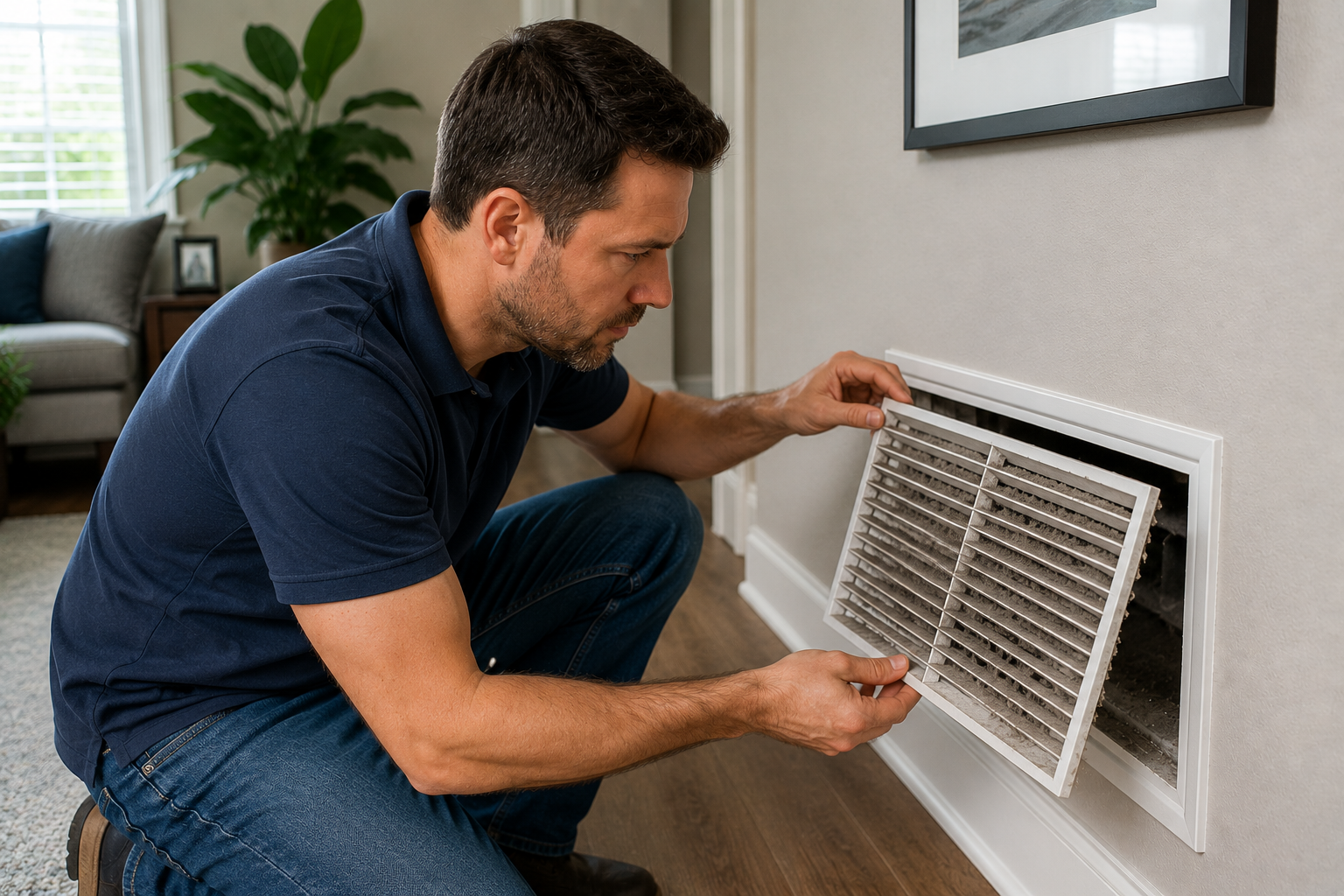
If blocked or dirty ductwork is restricting airflow, professional Air Duct Cleaning can help improve airflow and overall HVAC performance.

Reduced airflow forces your AC to work harder while cooling less effectively.

Strange Noises

Different sounds point to different problems.

NoisePossible Cause
BangingLoose internal component
BuzzingElectrical issue
GrindingMotor bearings
HissingRefrigerant leak
ClickingFaulty relay or thermostat

Rising Energy Bills

If your electricity bill suddenly increases without increased usage, your air conditioner may be losing efficiency.

Common reasons include:

  • Dirty coils
  • Low refrigerant
  • Aging compressor
  • Clogged filters
  • Failing capacitor

A professional inspection can identify the source before energy waste continues.

Frequent Cycling

An air conditioner should complete consistent cooling cycles.

If it turns on and off every few minutes, possible causes include:

  • Incorrect thermostat placement
  • Oversized equipment
  • Refrigerant problems
  • Dirty coils
  • Electrical faults

Water Around the Indoor Unit

Water pooling around your system often indicates:

  • Clogged condensate drain
  • Frozen evaporator coil
  • Drain pan damage

Prompt repairs help prevent water damage inside your home.

Beat the Summer Rush — Book Your Tune-Up Now

We serve Cary, Chapel Hill, Morrisville, Raleigh, and Apex.

Benefits of Regular AC Maintenance

Many homeowners focus on repairs but overlook preventive maintenance.

Routine service offers several advantages:

Lower Utility Bills

A clean, properly adjusted system consumes less electricity while delivering better cooling performance.

According to the U.S. Department of Energy, replacing dirty air filters and scheduling regular maintenance are two of the simplest ways to improve HVAC efficiency and reduce energy costs.

Fewer Emergency Repairs

Technicians identify worn components before they fail unexpectedly during peak summer temperatures.

Longer Equipment Life

Well-maintained air conditioners often last several years longer than neglected systems.

Better Indoor Air Quality

Routine maintenance also helps improve Indoor Air Quality by reducing the buildup of dust, pollen, pet dander, and other airborne contaminants that circulate through your HVAC system.

The U.S. Environmental Protection Agency (EPA) recommends proper HVAC maintenance to support healthy indoor air quality.

Maintenance includes cleaning components that affect airflow, helping reduce:

  • Dust
  • Pollen
  • Pet dander
  • Mold spores

This creates a healthier indoor environment for your family.

Improved Cooling Performance

Routine tune-ups help your system:

  • Cool rooms more evenly
  • Reach desired temperatures faster
  • Reduce humidity
  • Maintain consistent comfort

As temperatures begin to rise, seasonal maintenance becomes even more important. Taking time to prepare your AC for a North Carolina summer can improve cooling performance, reduce energy costs, and help prevent unexpected breakdowns during peak heat.

Why AC Services Are Especially Important in North Carolina

North Carolina’s climate places significant demand on residential cooling systems.

Homeowners often deal with:

  • High summer temperatures
  • Elevated humidity
  • Heavy pollen during spring
  • Extended cooling seasons
  • Sudden heat waves

These conditions cause air conditioners to operate longer and work harder than in many cooler regions.

Scheduling seasonal AC services helps prepare your system before peak demand while reducing the likelihood of midsummer breakdowns.

AC Repair vs. AC Replacement: Which One Do You Need?

One of the biggest questions homeowners face is whether to repair their existing air conditioner or invest in a new system. The answer depends on your unit’s age, repair history, efficiency, and repair costs.

In many cases, a professional inspection can determine which option provides the best long-term value.

FactorAC RepairAC Replacement
System AgeUnder 10 years12 to 15+ years
Repair CostMinor to moderateFrequent expensive repairs
Energy EfficiencyStill performs wellOutdated, high utility bills
Breakdown HistoryOccasional issuesMultiple repairs every year
WarrantyStill coveredWarranty expired
Long-Term ValueLower upfront costLower operating costs over time

Repair Is Usually the Better Choice If:

  • The unit is less than 10 years old.
  • Repairs are relatively inexpensive.
  • Cooling performance has been good overall.
  • There are no major refrigerant or compressor issues.

Replacement May Be Better If:

  • The system is over 15 years old.
  • Repairs are becoming more frequent.
  • Energy bills continue to increase.
  • The compressor has failed.
  • Your current unit uses older refrigerants that are becoming harder to source.

Pro Tip: Many HVAC professionals follow the “50% Rule.” If the repair cost exceeds 50% of your current system’s value, replacement is often the smarter investment. What Happens During Professional AC Services?

For example, one North Carolina homeowner thought their aging AC needed to be replaced because it wasn’t cooling the second floor properly. After a professional inspection, the issue turned out to be a clogged condenser coil and a failing capacitor. Once those components were serviced, the system returned to normal operation, saving the homeowner from having to replace the entire unit.

What Happens During Professional AC Services?

During a professional AC service, an HVAC technician inspects, cleans, and tests your air conditioning system. This typically includes checking the thermostat, replacing or inspecting air filters, cleaning coils, testing electrical components, inspecting refrigerant levels, clearing the condensate drain, and verifying overall system performance.

A comprehensive AC service typically includes the following steps:

1. Thermostat Inspection

The technician verifies that the thermostat is communicating properly with your HVAC system and maintaining accurate temperatures. If the thermostat isn’t functioning correctly, professional Thermostat Services can help restore comfort and improve energy efficiency.

2. Air Filter Check

Dirty filters restrict airflow, reduce efficiency, and increase energy consumption.

If needed, the technician recommends replacing or cleaning the filter.

3. Electrical Inspection

Electrical components are tested, including:

  • Capacitors
  • Contactors
  • Wiring
  • Safety controls
  • Voltage readings

Loose electrical connections are one of the leading causes of unexpected AC failures.

4. Refrigerant Inspection

The technician checks refrigerant pressure and looks for leaks that could reduce cooling performance.

Low refrigerant is not considered normal and usually indicates a leak that should be repaired.

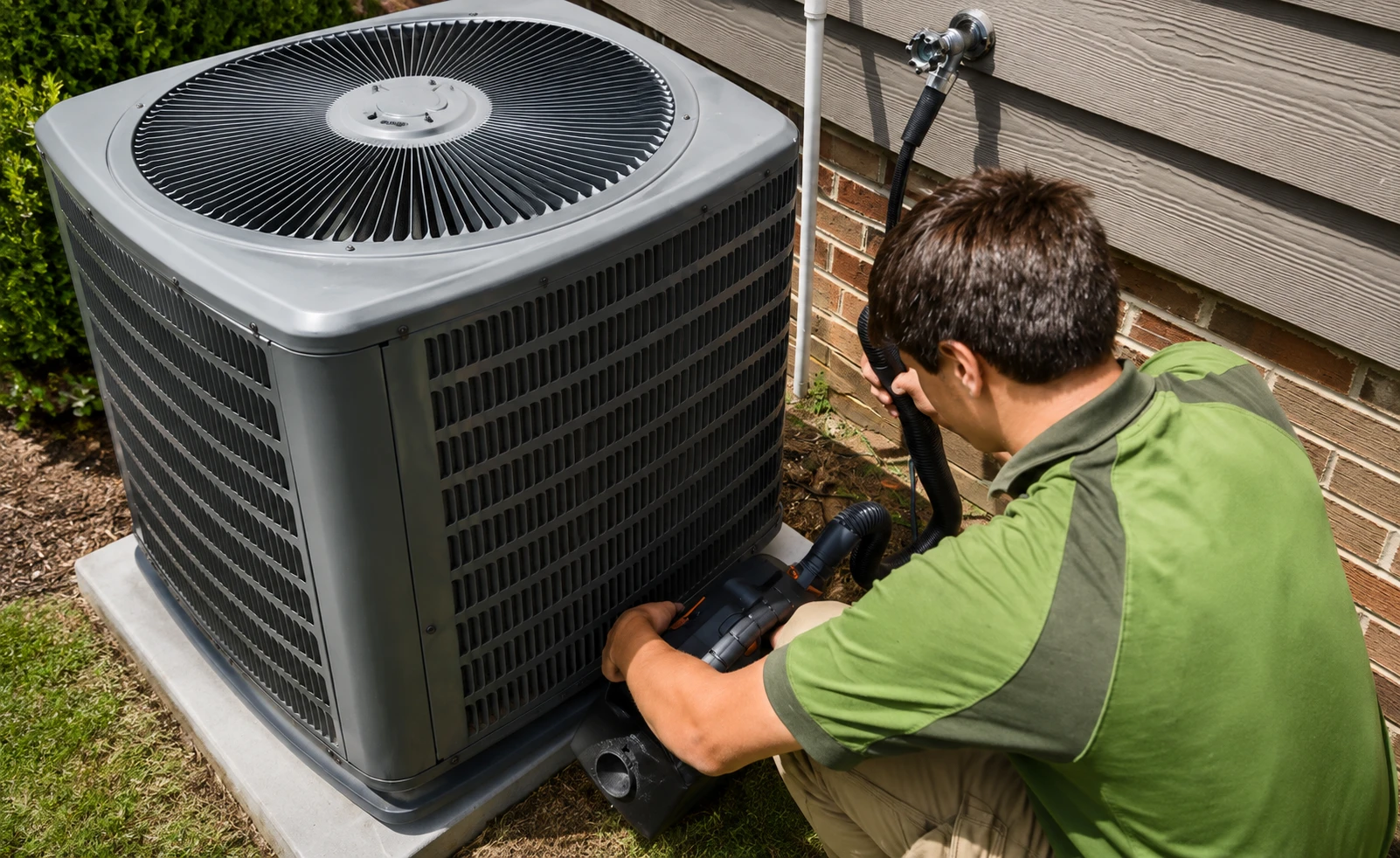
5. Condenser Coil Cleaning

Outdoor coils collect:

  • Dirt
  • Grass clippings
  • Leaves
  • Pollen

Cleaning the coils helps the system release heat efficiently.

6. Evaporator Coil Inspection

Indoor coils are inspected for dirt, ice buildup, or airflow restrictions.

7. Drain Line Cleaning

Condensate drain lines are cleared to help prevent:

  • Water leaks
  • Mold growth
  • Water damage

8. Performance Testing

Before leaving, the technician measures:

  • Airflow
  • Temperature split
  • Refrigerant pressure
  • System cycling
  • Overall cooling performance

Types of Air Conditioning Systems

Different homes require different cooling solutions.

Understanding the available systems helps homeowners make informed decisions.

System TypeBest ForAdvantages
Central Air ConditioningMost single-family homesWhole-home comfort
Heat PumpYear-round heating and coolingHigh energy efficiency
Mini Split SystemRoom additions, garages, older homesNo ductwork required
Packaged HVAC SystemLimited indoor spaceCompact installation

A qualified HVAC contractor can recommend the right option based on your home’s size, insulation, and cooling needs.

How Much Do AC Services Cost in North Carolina?

Pricing varies depending on your system, the complexity of the repair, and the parts required.

The table below provides general estimates.

ServiceTypical Price Range
AC Inspection$75 to $200
Seasonal Maintenance$80 to $250
Refrigerant Recharge$200 to $600+
Capacitor Replacement$150 to $400
Thermostat Replacement$150 to $500
Drain Line Cleaning$100 to $300
Compressor Repair$900 to $2,500+
New AC Installation$5,000 to $12,000+

Note: Prices vary depending on equipment size, manufacturer, accessibility, labor rates, and the specific repair required.

The best way to receive accurate pricing is to schedule an on-site inspection with a licensed HVAC professional.

How Often Should You Schedule AC Services?

Most air conditioning systems should receive professional maintenance once a year, ideally before summer begins. Homes with heavy AC usage may benefit from two maintenance visits each year.

For most North Carolina homeowners, professional maintenance should be scheduled at least once a year.

If your system runs heavily during long summers or you have pets, twice-yearly maintenance may be beneficial.

Recommended Maintenance Schedule

Time of YearRecommended Service
Early SpringFull AC tune-up
SummerMonitor performance and replace filters
FallHVAC inspection if using a heat pump
Every 1 to 3 MonthsReplace or clean the air filter

Preventive maintenance before summer reduces the risk of breakdowns during the peak cooling season.

How to Choose the Right AC Repair Service

Not every HVAC contractor offers the same level of expertise or customer service.

When comparing providers, look for these qualities:

Common AC Problems Homeowners Face

Understanding common issues can help you recognize problems early.

ProblemPossible Cause
AC won’t turn onElectrical issue or thermostat problem
Warm airRefrigerant leak or compressor issue
Frozen coilDirty filter or restricted airflow
Water leakClogged condensate drain
High humidity indoorsOversized system or poor maintenance
Weak airflowDirty filter, blower issue, or duct restriction
Frequent cyclingThermostat issue or oversized unit
High electric billsDirty coils or aging equipment

Mistakes Homeowners Should Avoid

Even with the best intentions, some maintenance habits can do more harm than good.

Avoid these common mistakes:

  • Ignoring unusual noises or odors
  • Waiting until the system stops working
  • Forgetting to replace air filters
  • Blocking outdoor condenser units with plants or debris
  • Closing too many supply vents
  • Skipping annual maintenance
  • Attempting DIY refrigerant repairs
  • Hiring contractors based solely on the lowest price

Addressing small issues early often prevents more expensive repairs later.

Quick Homeowner Checklist

Before scheduling AC services, ask yourself:

  • Is my AC cooling every room evenly?
  • Has my energy bill increased recently?
  • Have I changed the air filter recently?
  • Is my outdoor unit free of debris?
  • Do I hear unusual sounds?
  • Is the thermostat working properly?
  • Has it been more than a year since my last tune-up?

If you answered “Yes” to any of the concerns above, it’s a good time to schedule a professional inspection.

Why Homeowners in North Carolina Trust Professional AC Services

North Carolina’s hot summers and high humidity place extra stress on residential air conditioning systems. A properly maintained AC unit doesn’t just keep your home comfortable. It also helps control indoor humidity, improve air quality, and reduce monthly energy costs.

Whether you need a quick AC repair service, seasonal maintenance, or a complete system replacement, working with experienced HVAC professionals helps ensure your equipment operates safely and efficiently throughout the cooling season.

Regular service protects your investment, minimizes unexpected breakdowns, and gives you peace of mind when temperatures rise.

Conclusion

Your air conditioner is one of the hardest-working systems in your home. Giving it the attention it needs through regular inspections, timely repairs, and preventive maintenance can help you avoid expensive breakdowns while improving comfort and energy efficiency.

If you’ve noticed uneven cooling, rising utility bills, strange noises, or reduced airflow, don’t wait for the problem to get worse. Addressing small issues early can save you time, money, and frustration.

For homeowners across North Carolina, professional AC services are one of the smartest ways to keep your home cool, comfortable, and energy efficient all summer long.

Need Professional AC Services in North Carolina?

Whether your air conditioner needs a quick repair, seasonal maintenance, or a complete replacement, Greenergy Air is here to help. Our experienced technicians provide reliable AC services for homeowners across Cary, Raleigh, Apex, Morrisville, Chapel Hill, and nearby communities. Don’t wait for a small issue to become an expensive repair. Contact Greenergy Air today to schedule your AC service and enjoy dependable comfort all season long.

Call us today or request your appointment online to get started.

Hiring an Air Duct Cleaning Company: The Complete Homeowner’s Guide

Your home’s HVAC system does more than keep you comfortable. It also plays a major role in maintaining indoor air quality and energy efficiency. Over time, dust, pet dander, pollen, debris, and other contaminants can accumulate inside your ductwork, potentially affecting airflow and system performance.

This is why many homeowners eventually consider hiring an air duct cleaning company. However, not all providers offer the same level of service. Some companies perform thorough cleanings with professional equipment, while others use misleading pricing and incomplete work.

If you’re researching air duct cleaning services, this guide will help you understand what air duct cleaning involves, when it’s necessary, how much it costs, and how to choose a reputable contractor.

What Is Air Duct Cleaning?

Air duct cleaning is the process of removing dust, debris, allergens, and contaminants from HVAC ductwork and related components to improve indoor air quality and system performance.

A comprehensive cleaning typically includes:

  • Supply ducts
  • Return ducts
  • Air registers and vents
  • Grilles and diffusers
  • Air handler components
  • Blower motor
  • Evaporator coils (when applicable)
  • Drain pans

How the Process Works

Professional air duct cleaning generally involves:

  1. Inspecting the HVAC system
  2. Creating negative pressure using specialized vacuum equipment
  3. Agitating debris with brushes and air tools
  4. Extracting contaminants through high-powered vacuums
  5. Cleaning accessible HVAC components
  6. Performing a final inspection

The goal is to remove accumulated contaminants without damaging the duct system.

Why Air Duct Cleaning Matters

Many homeowners wonder whether duct cleaning is worth the investment. While not every home requires frequent cleaning, there are situations where it can provide meaningful benefits.

Indoor Air Quality

The average American spends approximately 90% of their time indoors, according to the U.S. Environmental Protection Agency (EPA). Indoor air quality can significantly impact comfort and overall well-being.

When dust and allergens build up in the ductwork, they can circulate throughout the home whenever the HVAC system operates.

HVAC Performance

Dirty ducts can contribute to airflow restrictions in some situations. When airflow becomes restricted, HVAC equipment may have to work harder to maintain desired temperatures.

Energy Efficiency

A well-maintained HVAC system generally operates more efficiently than a neglected one. Although duct cleaning alone is not a cure-all for energy savings, it can contribute to overall system performance when combined with regular maintenance.

Dust and Allergen Reduction

Homes with pets, allergy sufferers, or recent renovations often experience higher levels of airborne particles. Removing accumulated debris from the duct system may help reduce the circulation of these contaminants.

Signs Your Air Ducts Need Cleaning

Many homeowners are unsure when to schedule air duct cleaning services. Here are some common warning signs.

Excess Dust Around Vents

If you regularly dust your home but still notice excessive buildup around supply vents, your ductwork may contain accumulated debris. Dust collecting near vents can indicate that particles are being circulated through the HVAC system.

Musty Odors

Persistent musty odors coming from vents should never be ignored. These smells may indicate moisture issues, mold growth, or debris buildup somewhere within the duct system.

If unpleasant odors continue even after changing filters, a professional inspection may be worthwhile.

Visible Mould Growth

Visible mold around vents, registers, or HVAC components can indicate a larger issue within the system. Because mold can spread through airborne spores, prompt evaluation by a qualified professional is important.

Increased Allergy Symptoms

If family members experience worsening allergy symptoms while indoors, contaminants circulating through the HVAC system could be contributing to the problem. Dust, pollen, pet dander, and other particles can accumulate within ductwork over time.

Pest Infestation Signs

Rodents and insects occasionally enter duct systems in search of shelter. Droppings, nesting materials, unusual odors, or scratching sounds near vents may indicate pest activity that should be addressed immediately.

Uneven Airflow

Rooms receiving significantly less airflow than others may indicate duct blockages, leaks, or debris accumulation. While airflow issues can have several causes, dirty ductwork is one possibility worth investigating.

You may need professional air duct cleaning if you notice dust buildup, odors, allergy flare-ups, pest activity, or inconsistent airflow throughout your home.

Benefits of Professional Air Duct Cleaning

While some homeowners attempt DIY cleaning, professional air duct cleaning provides access to specialized equipment and expertise.

Improved Air Quality

One of the most significant benefits of air duct cleaning is the potential reduction of airborne dust, allergens, and contaminants. Over time, these particles can accumulate inside ductwork and recirculate throughout your home whenever the HVAC system runs.

A thorough cleaning can help create a fresher indoor environment, especially in households with pets, children, or family members sensitive to airborne irritants.

If you’re still wondering whether this service is a worthwhile investment, explore our detailed guide, “Is Air Duct Cleaning Really Worth It for Your Home?” to learn more about the long-term benefits for homeowners.

Better HVAC Efficiency

Clean HVAC components can help maintain proper airflow and system operation. When dust and debris build up within the system, airflow may become restricted, causing equipment to work harder than necessary.

Professional air duct cleaning promotes efficient airflow and complements routine HVAC maintenance, helping your system operate more effectively year-round.

Extended System Lifespan

When HVAC systems operate under less strain, major components may experience less wear over time. Restricted airflow and excessive buildup can place additional stress on parts such as the blower motor and air handler.

Keeping the system clean may help reduce unnecessary strain and support long-term HVAC performance.

Reduced Dust Accumulation

Many homeowners notice less dust settling on furniture and surfaces after a thorough duct cleaning. While dust cannot be eliminated entirely, removing buildup from the duct system can reduce the amount of debris circulating throughout the home.

This can make routine housekeeping easier and help maintain a cleaner living space.

Cleaner Living Environment

A cleaner HVAC system contributes to a cleaner indoor environment overall, particularly for households with pets, children, or allergy sufferers. Reducing contaminants within the ductwork may help improve comfort and support a healthier home environment.

How to Choose the Right Air Duct Cleaning Company

Choosing the right provider is one of the most important parts of hiring an air duct cleaning company.

Verify Licensing and Insurance

Always confirm that the company holds the appropriate licenses (where required) and liability insurance.

Insurance protects both the homeowner and the contractor in the event of accidents or property damage.

Ask for proof of:

  • General liability insurance
  • Workers’ compensation coverage
  • Business licensing

Check Reviews and Testimonials

Online reviews can provide valuable insight into customer experiences.

Look for consistent feedback regarding:

  • Professionalism
  • Punctuality
  • Quality of work
  • Pricing transparency
  • Customer service

Focus on patterns rather than isolated reviews.

Ask About Equipment and Methods

Professional air duct cleaning requires specialized equipment.

Ask whether the company uses:

  • Truck-mounted vacuum systems
  • HEPA-filtered equipment
  • Rotary brush systems
  • Air whips and agitation tools
  • Video inspection technology

Avoid companies that rely solely on shop vacuums or basic household equipment.

Look for Industry Certifications

Industry certifications demonstrate commitment to professional standards.

Many homeowners look for technicians certified through organizations such as:

  • “National Air Duct Cleaners Association”, “NADCA”

Certification alone doesn’t guarantee quality, but it can indicate additional training and industry knowledge.

Request a Detailed Estimate

A reputable air duct cleaning contractor should provide a written estimate outlining:

  • Scope of work
  • Number of vents included
  • Equipment used
  • Additional services
  • Total pricing

Avoid verbal-only quotes.

Questions to Ask Before Hiring

Before signing any agreement, it’s important to ask the right questions. A reputable air duct cleaning company should be transparent about its process, pricing, and scope of services. The answers below can help you compare providers and make a more informed decision.

QuestionWhy It Matters
What is included in the service?Ensures you’re comparing the same scope of work between companies.
How long will the job take?Helps determine whether the cleaning process will be thorough.
Are there additional charges?Prevents unexpected costs after work begins.
Do you provide before-and-after photos?Verifies the quality and completeness of the cleaning.
What guarantees do you offer?Shows whether the company stands behind its work.

Beat the Summer Rush — Book Your Tune-Up Now

We serve Cary, Chapel Hill, Morrisville, Raleigh, and Apex.

Air Duct Cleaning Costs

Most homeowners pay between $300 and $1,200 for professional air duct cleaning, depending on home size, duct complexity, and additional services.

One of the most common questions homeowners ask concerns the cost of air duct cleaning.

Average Price Range

For most residential properties, professional air duct cleaning costs typically vary with the size of the home and HVAC system.

Home SizeTypical Cost Range
Small Home$300 – $500
Medium Home$500 – $800
Large Home$800 – $1,200+

Actual pricing varies by region, HVAC system size, and the level of cleaning required. Homes with multiple HVAC units or extensive ductwork may fall toward the higher end of the price range.

Factors Affecting Cost

Several factors can influence the final cost of air duct cleaning. Understanding these variables can help homeowners compare estimates more effectively and avoid unexpected charges.

Home Size

Larger homes generally require more labor and time.

Number of Vents

More supply and return vents typically increase service costs.

System Complexity

Multi-zone systems, older homes, and difficult-to-access ductwork may require additional work.

Additional Services

Some companies offer additional HVAC cleaning and maintenance services that can be performed during the same visit. While these services may increase the total cost, they can also improve overall system cleanliness and performance when genuinely needed.

  • Dryer vent cleaning
  • Coil cleaning
  • Sanitizing treatments
  • Mold remediation
  • HVAC maintenance

Always verify whether these services are included or priced separately.

What Happens During the Cleaning Process?

Understanding the air duct cleaning process can help homeowners know what to expect and ensure they receive thorough service. While methods may vary slightly between companies, most professional air duct cleaning services follow a similar process.

Initial Inspection

The process typically begins with a detailed inspection of the HVAC system and ductwork. Technicians look for dust buildup, signs of mold, airflow restrictions, and any visible damage that may affect the cleaning process.

This inspection also helps determine the appropriate equipment and cleaning methods for your home’s system.

System Preparation

Before cleaning begins, technicians prepare the HVAC system and surrounding work areas. Supply and return vents may be covered to help maintain proper airflow and prevent debris from entering the living space.

The system is then configured to create negative pressure throughout the duct network.

Vacuum Extraction

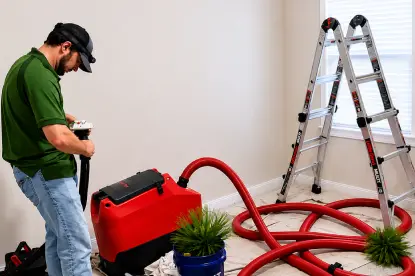
High-powered vacuum equipment is connected to the duct system to remove loosened dust, dirt, and contaminants. This equipment creates a strong suction that pulls debris out of the ductwork and into a sealed collection system.

Professional-grade vacuums are far more effective than household equipment at removing deeply embedded contaminants.

Debris Removal

Specialized tools such as rotary brushes, compressed-air whips, and agitation devices are used to dislodge debris from the interior surfaces of the ducts. These tools help loosen stubborn buildup that may not be removed by suction alone.

The combination of agitation and vacuum extraction helps ensure a more thorough cleaning.

Final Inspection

Once the cleaning is complete, technicians perform a final inspection to verify that debris has been removed and the system is operating properly. Some companies also provide before-and-after photos so homeowners can see the results firsthand.

This final review gives homeowners confidence that the cleaning was completed as promised.

How Often Should Air Ducts Be Cleaned?

Most homes should have their air ducts inspected every 3 to 5 years, although homes with pets, allergies, renovations, or previous pest issues may require more frequent cleaning. The ideal schedule depends on your home’s conditions and HVAC usage.

Homes With Pets

Pet hair and dander can accumulate more quickly within HVAC systems. Homes with multiple pets often benefit from more frequent inspections to prevent excessive buildup.

Allergy Sufferers

Households with allergy or asthma concerns may benefit from regular duct inspections and HVAC maintenance. Reducing airborne contaminants can contribute to a more comfortable indoor environment.

Recently Renovated Homes

Construction and remodeling projects generate large amounts of dust that can enter the duct system. After major renovations, having the ducts inspected can help determine whether cleaning is necessary.

After Pest Infestations

Any rodent or insect infestation should be followed by a thorough inspection and cleaning. Removing contamination left behind by pests is important for maintaining indoor air quality.

Water or Mould Issues

Moisture problems should be addressed immediately to prevent further contamination. If water has entered the duct system, professional evaluation is recommended before mold growth becomes a larger issue.

Common Air Duct Cleaning Scams

Unfortunately, some companies use misleading sales tactics.

Knowing the warning signs can help you avoid costly mistakes.

Extremely Low-Price Offers

Advertisements promoting whole-house duct cleaning for extremely low prices often use bait-and-switch tactics. Once technicians arrive, homeowners may be pressured into purchasing additional services that significantly increase the final bill.

Unnecessary Upselling

Some companies recommend expensive treatments or upgrades that may not be necessary. Always ask for a clear explanation of why additional services are being suggested and whether they are truly needed.

False Mould Claims

Unscrupulous contractors sometimes claim mold is present without providing evidence or testing. If mold is suspected, ask for documentation and consider obtaining a second opinion before approving costly remediation work.

Incomplete Cleaning Services

Not all air duct cleaning services include a full-system cleaning. Some providers clean only visible vents while charging for a complete service. Before hiring, confirm exactly what components will be cleaned and request a detailed scope of work.

Final Checklist Before Hiring an Air Duct Cleaning Company

Use this checklist before making your decision.

Conclusion

Hiring an air duct cleaning company is an important decision that can affect your home’s indoor air quality, HVAC performance, and overall comfort. Understanding the signs that air ducts need cleaning, knowing what professional air duct cleaning includes, and learning how to evaluate contractors can help you make a confident choice.

Before scheduling service, compare estimates, verify credentials, ask detailed questions, and ensure the company offers comprehensive air duct cleaning rather than quick, surface-level cleaning.

A reputable air duct cleaning contractor will prioritize transparency, proper equipment, and long-term customer satisfaction over high-pressure sales tactics.

Schedule a Professional Air Duct Inspection Today

If you’re noticing excessive dust, poor airflow, musty odors, or rising allergy symptoms, now may be the right time to have your HVAC system evaluated. Contact a trusted professional air duct cleaning company to inspect your ductwork, answer your questions, and help create a cleaner, healthier, and more efficient home environment.

Is Air Duct Cleaning Really Worth It for Your Home?

Many homeowners hear about air duct cleaning but are not always sure if it is actually necessary. Some believe it will instantly improve indoor air quality, while others wonder if it is simply another unnecessary HVAC service.

The truth is that professional Air Duct Cleaning Services can be beneficial in certain situations, especially when dust buildup, mold, pests, or poor airflow are affecting your home. However, not every house needs routine duct cleaning on a frequent schedule.

Understanding how your duct system works, what signs to look for, and when professional cleaning makes sense can help you make the right decision for your home and HVAC system.

Understanding Your Home’s Air Duct System

Your ductwork acts like the circulation system of your home. Heated or cooled air travels through these ducts before reaching different rooms through vents and registers.

Over time, the system can collect:

  • Dust and dirt
  • Pet hair and dander
  • Pollen and allergens
  • Construction debris
  • Moisture-related contaminants
  • Insect or rodent debris

While some buildup is completely normal, excessive contamination may affect airflow, comfort, and overall indoor air quality.

How Dirty Air Ducts Affect Your Home

Many homeowners do not realize how much their HVAC system impacts daily comfort. When ductwork becomes heavily contaminated, several problems may start to appear throughout the home.

Increased Dust Around the House

If you constantly notice dust collecting on furniture shortly after cleaning, dirty ductwork could be contributing to the problem.

Reduced Airflow

Blocked or dirty ducts may restrict airflow, making some rooms feel warmer or cooler than others.

Higher Energy Bills

When airflow becomes restricted, the system may run longer to maintain indoor temperatures. This additional strain can increase monthly energy costs.

Indoor Odors

Musty smells, stale air, or unusual odors coming from vents may indicate contamination inside the ductwork or moisture issues within the HVAC system.

Allergy and Respiratory Irritation

Dust, allergens, and airborne particles circulating through the system may worsen allergy symptoms for some individuals. People with asthma or respiratory sensitivities are often more affected by poor indoor air quality.

Beat the Summer Rush — Book Your Tune-Up Now

We serve Cary, Chapel Hill, Morrisville, Raleigh, and Apex.

Signs You May Need Air Duct Cleaning

Not every HVAC system requires immediate cleaning, but there are several warning signs homeowners should pay attention to.

Visible Dust Coming From Vents

If dust blows out when the system turns on, there may be excessive buildup inside the ducts.

Mold Around HVAC Components

Visible mold growth near vents or inside accessible ductwork should always be inspected by a professional.

Pest Activity

Rodents and insects sometimes enter duct systems, especially in attics or crawl spaces. Droppings, odors, or unusual noises may indicate pest contamination.

Recent Home Renovations

Construction and remodeling projects create large amounts of dust and debris that can settle inside ductwork. Professional Duct Cleaning Services may help remove leftover construction particles after major projects are completed.

Uneven Heating or Cooling

Rooms that struggle to maintain temperature could indicate airflow restrictions inside the duct system.

When Air Duct Cleaning May Not Be Necessary

Despite common advertising claims, not every home needs regular duct cleaning.

If your HVAC system is properly maintained, uses quality air filters, and shows no signs of contamination, cleaning may not provide significant benefits.

A small amount of dust inside ducts is normal and usually harmless.

Homeowners should avoid companies that recommend unnecessary cleaning without first inspecting the system properly.

Benefits of Professional Air Duct Cleaning

When performed correctly by experienced HVAC professionals, duct cleaning may offer several advantages.

Cleaner Indoor Air

Removing built-up dust and debris may help reduce airborne particles circulating throughout the home.

Improved HVAC Efficiency

Cleaner airflow pathways can help the system operate more efficiently, especially if heavy buildup was restricting airflow.

Reduced Household Dust

Some homeowners notice less dust accumulation on furniture and surfaces after professional cleaning.

Odor Reduction

Cleaning can help remove odors caused by debris, moisture, pets, smoke, or pests trapped inside the system.

Better Overall Comfort

Improved airflow often helps maintain more consistent temperatures throughout the home.

What Happens During a Professional Duct Cleaning Service?

A quality duct cleaning service involves much more than simply vacuuming vents.

Professional technicians typically:

  1. Inspect the HVAC system and ductwork
  2. Protect nearby flooring and furniture
  3. Use specialized equipment to create negative air pressure
  4. Remove debris using professional tools
  5. Clean supply and return vents
  6. Inspect the system after cleaning

Many homeowners searching online for How to Clean Air Ducts quickly realize that proper cleaning requires specialized tools and HVAC knowledge.

The Importance of Choosing the Right HVAC Company

Working with an experienced Air Duct Cleaning Company helps ensure the HVAC system is cleaned safely and thoroughly.

Homeowners should look for companies that:

  • Use professional-grade equipment
  • Inspect the system before recommending cleaning
  • Explain the process clearly
  • Offer honest recommendations
  • Address airflow and moisture concerns

How to Keep Your Air Ducts Cleaner Longer

Preventive maintenance plays a major role in keeping your HVAC system clean and efficient.

Replace Air Filters Regularly

Dirty filters allow more dust and debris to circulate through the system.

Schedule Routine HVAC Maintenance

Professional maintenance helps identify airflow restrictions, dirty components, and system issues before they become larger problems.

Seal Air Leaks

Leaky ductwork can pull dust and insulation particles from attics and crawl spaces into the system.

Control Indoor Humidity

Excess moisture increases the risk of mold growth inside HVAC systems.

Keep Vents Clean

Vacuuming vents and registers regularly helps reduce surface dust buildup.

Can Air Duct Cleaning Improve Indoor Air Quality?

Air duct cleaning may improve indoor air quality in homes with excessive contamination, mold issues, or heavy debris buildup.

However, duct cleaning alone is not a complete solution for every indoor air quality problem.

Factors such as poor ventilation, dirty HVAC components, high humidity, and inadequate filtration also affect the air inside your home.

A complete HVAC inspection is often the best way to identify the root cause of indoor comfort issues.

Final Thoughts

Air duct cleaning is not something every homeowner needs regularly, but in the right situations, it can help improve airflow, reduce contaminants, and support a cleaner indoor environment.

The key is understanding the condition of your HVAC system and working with professionals who provide honest recommendations based on actual inspection findings.

If your home has excessive dust, uneven airflow, unusual odors, or indoor air quality concerns, professional Air Duct Cleaning Services can help determine whether your HVAC system needs cleaning and maintenance.

How to Prepare Your AC for a North Carolina Summer

If you live anywhere in the Triangle area, you already know what a North Carolina summer feels like. Temperatures regularly push into the 90s, humidity makes it feel even hotter, and your air conditioning system has to work flat-out for months on end. The last thing you want is for your AC to break down on the hottest day of the year — and the best way to prevent that is to prepare it now, in spring, before the heat arrives.

Why Spring Is the Right Time to Service Your AC

Most HVAC breakdowns happen in June and July — the hottest months — because systems that have been idle all winter are suddenly pushed to their limits. Scheduling your AC tune-up in March or April means technicians are less busy, any faults can be found and fixed before the summer rush, and your system is fully optimised when temperatures start to climb.

Timing

TipBook your spring tune-up before April 15. After that, HVAC companies across the Triangle area start filling up fast. A quick call now saves you days of waiting in June heat.

What a Professional Spring AC Tune-Up Covers

A thorough spring AC tune-up is much more than a quick glance at your outdoor unit. Here’s what GreenergyAir’s technicians check on every spring maintenance visit:

Beat the Summer Rush — Book Your Tune-Up Now

We serve Cary, Chapel Hill, Morrisville, Raleigh, and Apex.

5 Things You Can Do Yourself Before the Tune-Up

While these DIY maintenance tips can improve your system’s performance, they don’t replace professional AC services. Regular inspections, maintenance, and timely repairs help ensure your air conditioner operates safely and efficiently throughout the cooling season.

When to Consider a Full AC Replacement Instead

If your air conditioning system is more than 15 years old, requires frequent repairs, or your energy bills have been climbing despite normal usage, a replacement may be more cost-effective than another repair.

Replacement Signals to Watch For

System age over 15 years · Frequent repairs adding up · Rising energy bills without explanation · Inconsistent cooling room to room · R-22 refrigerant (no longer manufactured) · Strange noises or smells that persist after service.

Modern high-efficiency systems (SEER 16 and above) can cut cooling costs by 20–40% compared to older units. GreenergyAir can assess your current system and give you an honest comparison of repair versus replacement costs — with no pressure. We’re looking for a customer for life, not a quick sale.

Our team — backed by a full-time mechanical engineer — sizes every new system precisely for your home’s square footage and layout using Manual J load calculations. This ensures you’re never paying to over-cool and never left sweating on a 98°F August afternoon.

Published by the GreenergyAir Team — Serving Cary, Chapel Hill, Morrisville, Raleigh & Apex, NC · NC State License #37063 · 25+ Years Experience Categories: HVAC Tips · Spring 2026 · Air Conditioning · NC Homeowners

Call Greenergy Today
MJ MJ with Greenergy
Hi I'm MJ, here to help!
What service do you need?
Chat